Hail Caesar – Gilgenburg 1410

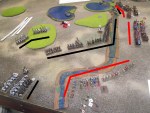
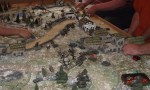
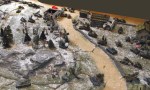
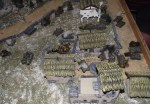
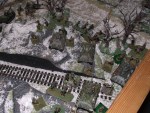
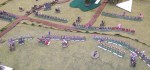
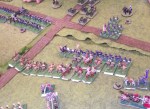
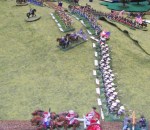
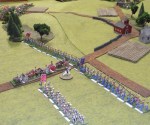
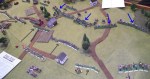
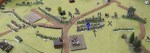
Saturday the local HMGS-South group played a medieval battle at the Dogs of War shop using the Hail Caesar rules.

Gilgenburg Prussia, July 13th, 1410.

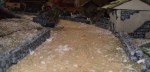
On July 13th, two days before the battle of Grunwald/Tannenberg, the Polish-Lithuanian army captured and sacked the town of Gilgenburg (Dabrowno in Poland today). In this hypothetical scenario, the Teutonic Order army arrives to defend Gilgenburg.
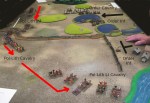
When the game ended both sides had lost 4 units (20%) and each side was threatened on the left flank. The Polish-Lithuanian light cavalry division had cleared the way to Gilgenburg.
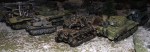
Rapid Fire – Eastern Front Battle

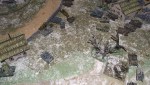
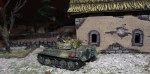
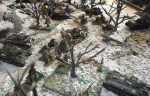
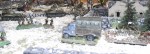
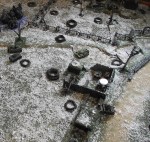
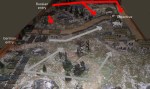
This weekend the local HMGS-South group played a Rapid Fire game. German and Soviet forces, mostly armor, race to take a crossroads and set up AT guns.

Rapid Fire Photos

This weekend the local HMGS-South group played a Rapid Fire scenario based on Soviet efforts to retake the Baltic States in the Fall of 1944.

The Russian attacks got near the secondary objective, but German reinforcements were positioned to stop them when we ended the game. A difficult but fun scenario, with lots of tactical choices for the players.


Fire and Fury AAR

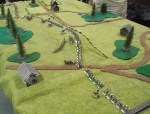
This weekend the local HMGS-South group played another ACW game at the Dogs of War shop using the Fire and Fury (Brigade level) rules. In preparation for a campaign, this battle was set up to test an attack/defense scenario with the attacking force having a numerical advantage. Each side had two players, commanding  a total of three infantry divisions, one cavalry division and several artillery units. The Confederate side setup first, lining a long ridge which gives a small advantage in charge (melee) combat. Most of the cavalry was dismounted to provide enough troops to cover the approximately eight feet of table. The Union players then chose to enter in supporting lines with their cavalry division on their extreme right.

Fire and Fury AAR

This weekend the local HMGS-South group played an ACW game at the Dogs of War shop using the Fire and Fury rules. It was a test game to learn the rules in preparation for a campaign. Each side had three players, two commanding infantry divisions and one commanding a cavalry division. Each division had three brigades of randomly determined size. Each side also had four artillery units.

The battle was still about even when we ran out of time.